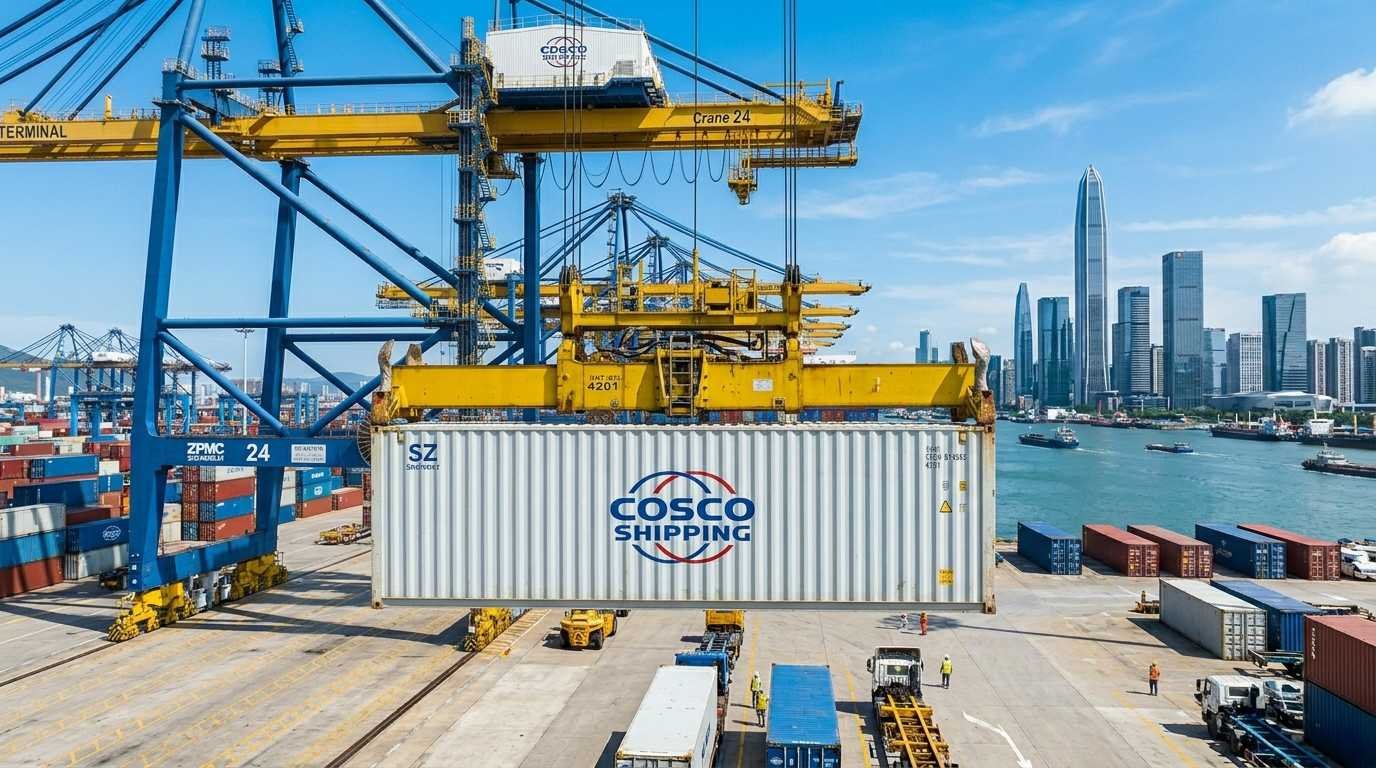
As global trade networks expand and foreign direct investment in the Middle East accelerates, the complexity of cross-border commercial relationships is at an all-time high. A Chinese manufacturer supplying components to a UAE developer, financed by a European bank under a contract governed by English law—this level of international integration is standard in modern commerce.
But when these multi-jurisdictional deals break down, where do the parties go to resolve their dispute? Submitting to the national courts of either party is usually unacceptable due to perceived bias, unfamiliar language, and unpredictable legal procedures. The universally accepted solution is international arbitration, and increasingly, the preferred global seat for that arbitration is Dubai.
Choosing to seat an arbitration in Dubai offers international businesses a neutral forum, world-class infrastructure, and a robust legal framework designed specifically to enforce arbitral awards globally. This guide details why International Arbitration in Dubai has become the gold standard for resolving high-value cross-border conflicts.
Understanding the “Seat” of Arbitration
In international arbitration, the most important legal concept is the “seat” (or legal place) of the arbitration. The seat is not necessarily where the hearings take place physically (hearings can happen anywhere or online). Rather, the seat determines the procedural law that governs the arbitration process and dictates which national courts have supervisory jurisdiction over the arbitration.
If you choose Dubai as the seat, you have two distinct options, each offering a completely different legal environment:
1. Onshore Dubai (The UAE Federal Arbitration Law)
Seating an arbitration in “onshore” Dubai means the procedural process is governed by UAE Federal Law No. 6 of 2018 (the UAE Arbitration Law). This law is based on the UNCITRAL Model Law, making it instantly recognizable to international practitioners. The supervisory courts are the onshore Dubai Courts (operating in Arabic under civil law). This seat is excellent for disputes where the primary assets or parties are located within mainland UAE or the wider GCC.
2. Offshore Dubai (The DIFC Arbitration Law)
Seating the arbitration in the Dubai International Financial Centre (DIFC) means the process is governed by the DIFC Arbitration Law. The supervisory courts are the DIFC Courts, which operate in English and apply common law principles. For international parties from the UK, USA, India, or Singapore, the DIFC seat provides the comfort of common law precedent and English-language supervision within the Middle East.
Major Institutions for International Arbitration in Dubai
International arbitrations in Dubai are typically administered by one of three major institutions, each providing the rules and administrative backbone for the proceedings.
Dubai International Arbitration Centre (DIAC)
DIAC has evolved into a powerhouse for international arbitration. Its 2022 rules introduced highly progressive features tailored for modern cross-border disputes, including specific provisions for third-party funding (allowing outside investors to finance legal claims), expedited proceedings for smaller claims, and the appointment of emergency arbitrators to grant urgent relief before a full tribunal is constituted.
DIFC Arbitration Centre
Operating under the umbrella of the DIFC, this center focuses on sophisticated international financial and corporate disputes. It is the natural choice for parties utilizing a DIFC seat and seeking a deeply international, common-law-oriented administrative process.
International Chamber of Commerce (ICC)
The Paris-based ICC is the world’s leading arbitral institution. Many global corporations prefer to use ICC rules but select Dubai as the legal seat. The ICC has a strong presence in the UAE and handles the region’s most massive, multi-jurisdictional construction and energy disputes.
The Critical Importance of the New York Convention
The primary reason international arbitration works is the 1958 New York Convention on the Recognition and Enforcement of Foreign Arbitral Awards. The UAE acceded to this treaty in 2006.
Because the UAE is a signatory, an arbitration award issued in Dubai is legally recognizable and enforceable in over 160 other signatory countries. If a Dubai tribunal orders an Indian company to pay a UAE supplier, the UAE supplier can take that Dubai award to the courts in Mumbai and have it enforced against the Indian company’s local assets. The Indian courts are bound by the treaty to enforce the award, with very narrow grounds for refusal.
Conversely, foreign awards (e.g., an award issued in London or Geneva) can be efficiently enforced against assets located in Dubai through the UAE courts or the DIFC courts.
Key Challenges in International Arbitration
While the system is robust, international arbitration requires highly strategic management to avoid severe pitfalls.
1. Jurisdictional Challenges
The most common tactic for a defending party is to claim the arbitral tribunal has no jurisdiction. They might argue the arbitration clause is invalid, that the specific dispute falls outside the scope of the clause, or that the signatory lacked corporate authority. Defeating these challenges requires deep expertise in the “Kompetenz-Kompetenz” principle (the tribunal’s right to rule on its own jurisdiction).
2. Language and Cultural Nuances
In a dispute between a European contractor and a UAE government entity, the contract may be in English, but the applicable substantive law might be UAE Civil Law. An arbitration lawyer must be able to fluently cross-examine English-speaking engineers while simultaneously formulating legal arguments based on Arabic civil code jurisprudence.
3. Interim Relief and Asset Flight
International disputes carry a high risk of the losing party moving assets to a safe-haven jurisdiction before the final award is issued. A critical component of international arbitration strategy is applying for interim measures—asking the tribunal or the supervisory courts to freeze bank accounts or block the transfer of shares while the arbitration is ongoing.
Choosing Your International Legal Team
Handling an international arbitration seated in Dubai is fundamentally different from domestic litigation. It requires a legal team that possesses:
- Extensive experience with DIAC, DIFC, and ICC procedural rules.
- Deep knowledge of conflict of laws (private international law) to determine which country’s laws apply to different aspects of the dispute.
- Bilingual (Arabic/English) capabilities to navigate UAE substantive law and international procedural norms simultaneously.
- A global network capable of executing cross-border enforcement strategies once the award is won.
Conclusion: Confidence in Cross-Border Commerce
For multinational corporations, foreign investors, and regional powerhouses, the ability to resolve disputes predictably and privately is a fundamental requirement for doing business. By establishing itself as a premier arbitration seat with world-class institutions and a reliable enforcement regime, Dubai has provided the legal security necessary to fuel its economic expansion.
If your business operates across borders, ensuring your contracts contain robust arbitration clauses and securing expert International Arbitration Lawyers in Dubai is the most effective way to manage your global commercial risk.