Moving from UAE to China – How to Avoid the ‘Residence Permit’ Trap and Clear Customs Fast
Struggling with the complexity of Chinese bureaucracy and wondering how to manage moving from UAE to China without your household goods getting stuck in a Shanghai port for months? Here is the deal: China is the world’s factory, but they are incredibly picky about what comes *into* the country. If you don’t have your Residence Permit and your work visa (Z-Visa) perfectly aligned, your container will sit on the dock until the storage fees cost more than your furniture. Look, I’m a relocation agent. I speak Mandarin and I’ve been handling the UAE-China corridor for a decade. I’ve seen people lose their minds because they thought their ‘Employment Contract’ was enough to clear customs. It isn’t. China is a land of ‘Original Papers’ and strict timing. Period.
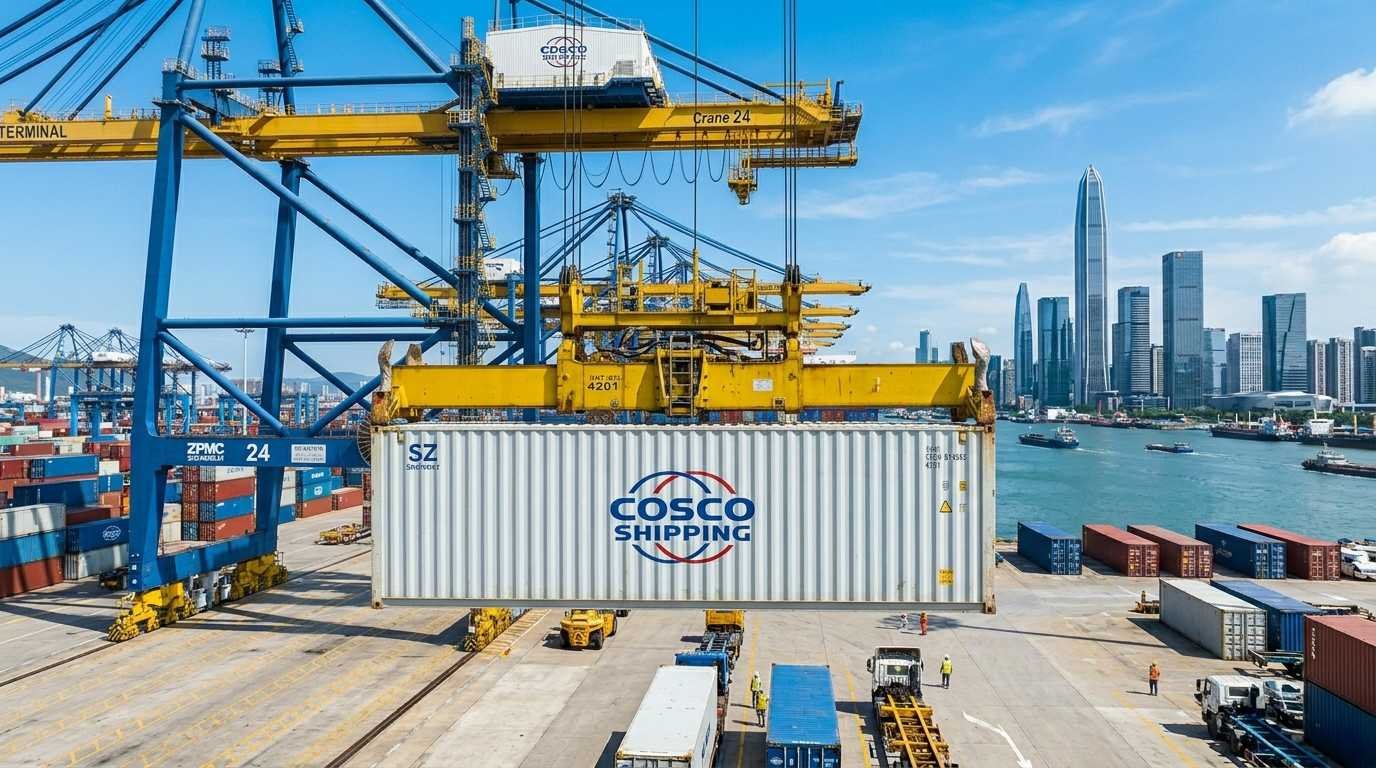
Last year, I had a client moving from a luxury apartment in Downtown Dubai to Shenzhen. He was a high-level engineer. He shipped his stuff before he even landed in China, thinking he’d ‘sort the visa’ later. Big mistake. His container arrived at the Port of Shekou, but because his official Residence Permit hadn’t been stamped in his passport yet, the customs officers wouldn’t even let the movers open the door. He spent six weeks in a hotel in Shenzhen, while his furniture sat in the humid southern heat, racking up three hundred dollars a day in port fees. He ended up paying twelve thousand dollars in ‘Demurrage’ before he even saw his sofa. That is the brutal reality of the ‘Residence Permit Trap’. Seriously, don’t ship until your papers are ready.
Anyway, don’t let the red tape stop you. Let me show you the tactical way to handle your moving from UAE to China relocation so you can enjoy the dim sum and not the customs office.
The Z-Visa and Residence Permit: Your Golden Ticket
In China, the ‘Zoll’ (customs) only cares about one thing: your legal status.
The 24-Hour Paperwork Rule
To bring your household goods into China duty-free, you must have a valid ‘Z-Visa’ (Work Visa) and, more importantly, the ‘Residence Permit’ (the sticker in your passport that says you live there). You can’t get the Residence Permit until you are physically in China and have done your medical check. Here is the trick: time your shipping from UAE to China so that the boat arrives *after* you’ve had your Residence Permit for at least a week. If the boat arrives first, you are in for a world of pain. I always tell my clients to wait until their visa is approved in Dubai, then pack, then ship. It gives you the three-week ocean journey to get your permit sorted in China. Be tactical with the calendar. It’s the ‘asan’ (simple) way to avoid a port-fee disaster.
The ‘Used Goods’ Mystery: Why China is Picky
China is a major manufacturer, so they don’t want your second-hand stuff competing with their new stuff.
The Personal Effects Limitation
You can bring your used household items duty-free, but only in ‘reasonable’ quantities. If you have five laptops and three sets of golf clubs, the customs officer in Shanghai will assume you are a smuggler. To be honest, it’s smarter to be minimalist. Also, China has a very specific list of ‘Dutiable’ items that you *will* pay for, even if they are used. This includes big-ticket electronics like TVs, refrigerators, and high-end stereo systems. Expect to pay about 15% to 20% duty on these items. I always suggest clients sell their big UAE electronics and buy new in China—the tech there is better and cheaper anyway. Don’t waste money shipping tax liabilities. Period.
If you’re looking at your life in Dubai and wondering how to translate it into a Chinese customs success story, talk to Next Movers. We understand the ‘China Standard’ for inventory and documentation better than anyone else in the Middle East. Check out our Logistics expert advice for more tips on Belt and Road moves. We are the best movers and packers in UAE because we know that in China, the paperwork is the most important part of the move.
Shanghai vs. Shenzhen: Choosing Your Gateway
Where your boat lands will define your ‘Last Mile’ delivery cost.
The Hub Advantage
Most shipments land in Shanghai (Waigaoqiao or Yangshan) or Shenzhen (Shekou). Both are world-class, but Shanghai is often the most bureaucratic for foreigners. Here is the trick: if you are moving to the south, Shekou is your best bet—it’s fast and used to expat relocations. If you are heading north to Beijing, your stuff will land in Tianjin. But be warned: the ‘Inter-City’ trucking in China is expensive and regulated. You need ‘Green Channel’ trucks that are allowed into city centers during the day. If your mover in Dubai doesn’t know the ‘Trucking Hours’ in Beijing, your stuff will be stuck on the ring road for twelve hours. Plan the final delivery with surgical precision. It’s the only way to stay on budget.
The Language Barrier: Why Mandarin Matters
A packing list in English is only half the battle.
The Sworn Translation Requirement
When you are moving from UAE to China, your inventory list must be translated into Mandarin. And it’s not just a Google Translate job; it needs to be an ‘Official Translation’ that matches the Chinese Customs nomenclature. If you write ‘Box 1: Kitchenware,’ they won’t like it. They want ‘Box 1: 厨房用品’ (Kitchen supplies). I always have my team in Dubai prepare the list in both languages. It shows the customs officer you are prepared and professional, which makes them less likely to pull your container for a ‘Physical Exam’. It’s the ‘asan’ (simple) way to win. Do the work early, and you’ll save yourself a headache in Shanghai. Period.
China Shipping Comparison
| Port of Entry | Transit Time from UAE | Pros and Cons |
|---|---|---|
| Shanghai (Yangshan) | 18-24 Days | The biggest port; very strict and bureaucratic. | Shenzhen (Shekou) | 15-20 Days | Fast and efficient; best for Southern China moves. | Tianjin (for Beijing) | 22-28 Days | Good for Northern China; long truck haul to Beijing. |
| Air Freight (PVG/SZX/PEK) | 3-5 Days | Extremely fast; best for essentials and work gear. |
Frequently Asked Questions
Can I ship my car to China from Dubai?
Look, I’ll be blunt: No. Unless you are a high-ranking diplomat, importing a used car into China for personal use is almost impossible for a foreigner. The regulations are so complex and the taxes so high that it simply isn’t worth it. Sell your car in the UAE and buy an EV in China—they are leading the world in electric cars anyway! It’s just ‘asan’ (simple). Seriously, don’t even try.
What items are strictly prohibited for entry into China?
Don’t even think about bringing drones (very sensitive), certain books or magazines that are politically sensitive, or large quantities of food. Chinese customs is very protective of their ‘Social Harmony’ and their agriculture. If they find one banned book, they will seize the whole box and potentially flag you for a full security check. Keep your inventory ‘asan’ (simple) and clean. If in doubt, leave it out.
How do I handle my electrical appliances in China?
China uses 220v, the same as the UAE. So your big electronics (TVs, stereos) will work. But here is the catch: the plug shapes are different. China uses a mix of 2-pin and 3-pin flat plugs. You’ll need a lot of adapters. Also, remember that you will pay duty on almost all big appliances, even if they are used. To be honest, buy your new appliances in China—they have the coolest tech you’ve ever seen anyway! Period.
Is insurance necessary for a UAE to China move?
Yes. 100%. The route from Jebel Ali to Shanghai involves crossing the Malacca Strait and the South China Sea. These are some of the busiest and roughest waters in the world. A ‘Full Replacement’ policy covers you for transit damage, port mishaps, and even ‘General Average’ (when the ship has an emergency). It is a small price for a lot of peace of mind. Get it. Don’t look back.
Do I need to be in China when my shipment clears?
Yes. You must have physically entered the country, had your passport stamped, and had your Residence Permit issued before the customs process can begin. Your mover will need your original passport and your original ‘Work Permit’ card for about 3 to 5 days. You don’t need to go to the port, but your ‘Legal Presence’ in the country is mandatory. Don’t ship your stuff until you have your visa in hand.
Once you’ve navigated the complexities of shipping your belongings and settling into life in China, it’s essential to focus on developing your independence and responsibility in a new environment. Embracing these strategies not only enhances your study abroad experience but also prepares you for future challenges, ensuring that you make the most of your time abroad while building valuable life skills. For practical tips, explore these strategies to develop independence during your stay.